The Silent P2P Engine Behind Bitcoin and Why The Market is Pulling a 2022 on Us
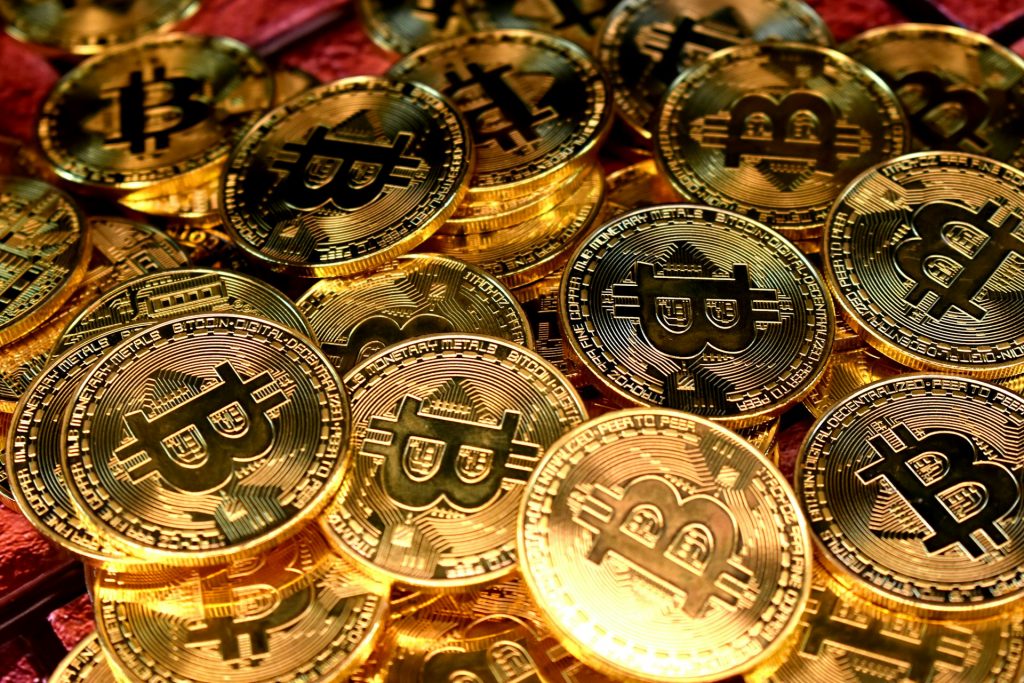
Just imagine for a second that you need to remit money or share some heavy data with a contact sitting on the other side of the globe, and you don’t even have to ask a bank or some government authority for permission. That is basically the magic of peer-to-peer technology. It’s a digital setup where participants connect directly to each other to exchange whatever they need, without any central server acting as the in-charge. The whole concept was originally just meant for sharing files on the internet, but the actual game-changer happened back in 2009. That is when Bitcoin came into the picture as the first decentralized payment system built entirely on P2P tech, proving once and for all that we can actually run a secure global economy while completely bypassing the middlemen.
Now, how this P2P network operates is fundamentally different from the standard systems where everything depends on one massive tech giant or banking institution. The core engine here is absolute decentralization. Every single computer hooked up to the network, which we call a node, takes on a double duty. It acts as both a client and a server at the exact same time. You are receiving and forwarding data directly to others. Because of this, the monopoly of the central server is broken completely, and the users are mutually providing the service to themselves. Since there is no single central point that can fail or get hijacked, the system becomes virtually indestructible. Even if a node goes offline or is attacked, the network just keeps humming along through the lakhs of other computers still online. And to make sure nobody is fudging the numbers, the verification of transactions is done through community consensus. All these nodes use heavy maths to collectively validate what is real, throwing the need for a trusted third-party arbitrator right out the window.
If we look into the actual characteristics, this setup is completely distinct from the usual server models. The decentralization ensures no single entity has control, while the scalability is something else entirely. Unlike normal servers that crash when too many people log in, a P2P network actually gets faster and more robust the more users join, because every new person brings their own bandwidth and storage to the table. Data transfer happens simultaneously and in parallel across multiple nodes, which cuts out those frustrating speed choke points.
Depending on the backend design, these networks can be unstructured, where nodes connect randomly—quite flexible and easy to set up, but a bit sluggish when searching for specific information. Then you have structured networks that use distributed hash tables to organize nodes in fixed spots, giving maximum efficiency for searches. This is exactly the model blockchain uses. Sometimes you even see hybrid models clubbed together, using a central server just to help nodes find each other initially before they start direct transfers, though obviously, that compromises on the pure decentralization aspect and makes it somewhat dependent again.
Today, P2P is doing much more than just moving crypto around. It has basically become the foundational infrastructure for Web3 and the modern crypto ecosystem. We have blockchain networks securing global assets in minutes. We have Decentralized Finance (DeFi) platforms letting folks trade and exchange liquidity directly without any broker eating their margins. Decentralized applications (dApps) are distributing their code across thousands of machines instead of relying on corporate servers, and even cloud storage is shifting this way with protocols like IPFS, where your files are fragmented and scattered safely across the whole network.
But here is where things get a bit tricky. Even with this bulletproof technology running the show, the market itself is currently acting completely out of syllabus. Right now, in May 2026, we are seeing Bitcoin take a proper hit, dropping below the $77,000 mark after facing a very harsh rejection at its 200-day moving average. The folks at CryptoQuant are sounding the alarm that this current setup is practically a mirror image of the 2022 bear market structure. The parallels are honestly quite direct. Back in March 2022, Bitcoin pulled a similar 43% relief rally, smacked right into its 200-day moving average, and then resumed a very painful downward spiral for months on end.
This time around, Bitcoin jumped roughly 37% from its April lows, hitting a massive wall of resistance near $82,400 before quickly backtracking into the $76,000 to $77,000 range over the recent sessions. Julio Moreno, who heads research at CryptoQuant, was quite specific about this resemblance in his May 20 report. Historically speaking, that 200-day moving average has always been the strict border dividing temporary relief rallies from a prolonged bear market continuation.
If you look at the on-chain demand fundamentals, they are definitely adding heavy weight to this bearish vibe. Speculative demand for perpetual futures has cooled off big time near the $82,000 level. At the same time, those US spot Bitcoin ETFs that were buying everything in sight have suddenly shifted gears, turning into active net sellers over the last few days. To top it all off, the profit-taking metrics are flashing the exact same warning signs. Unrealized profit margins peaked at 17.7% on May 5, which is the highest we’ve seen since June 2025. This matches the exact levels we witnessed right before that brutal rejection in March 2022, leaving the market in a very delicate spot while the underlying peer-to-peer engine quietly keeps pushing blocks