The Great Compact Phone Hunt of 2026: Pocket-Friendly Powerhouses & Budget Wildcards
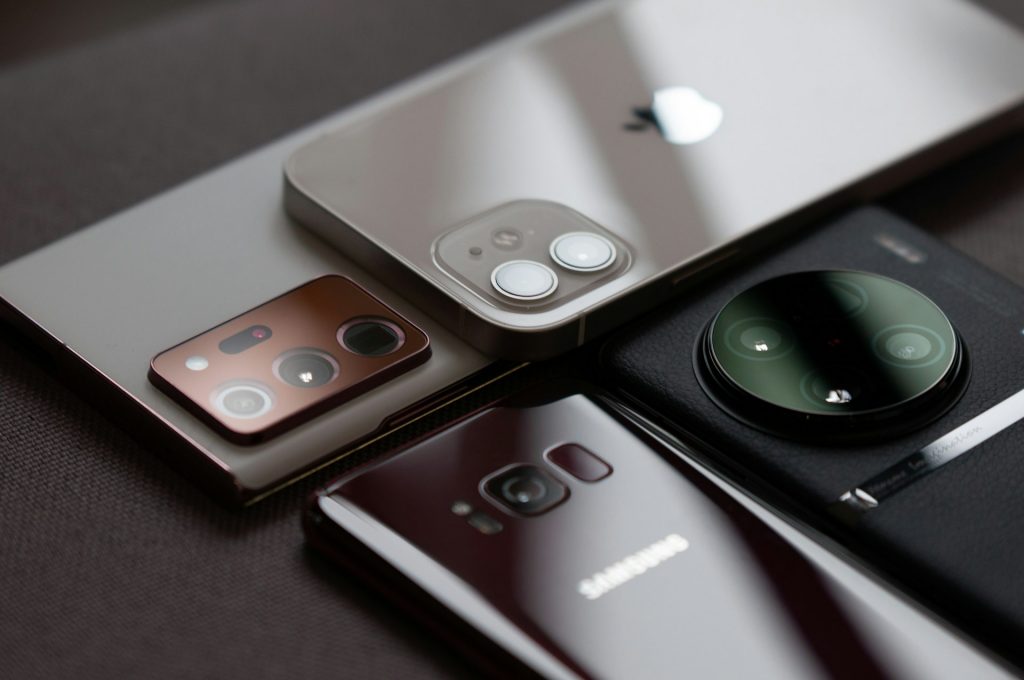
Where did all the cute little smartphones vanish to, yaar? Remember when 5-inch screens first dropped and everyone was acting like they were holding massive bricks? The screen sizes started crawling up slowly but surely, and nowadays we are lugging around these 7-inch monstrosities that we still somehow call phones. Back in the day, we’d straight up call them phablets and be done with it.
So, what exactly is a compact phone in 2026? Does it even exist anymore? As a die-hard compact phone aficionado—I was rocking the iPhone 12 mini for the longest time and honestly still lamenting the untimely demise of the Zenfone compact lineup—I’ve clubbed together a list of the top small and budget-friendly phones out there. This is based on heavy-duty testing in our secret lab and solid industry know-how.
Best Overall Small Phone: A Spec-Sheet Frankenstein
Sometimes the spec sheets tell one story and the hardware tells another. On paper, the stats we pulled map out to an Apple iPhone 17 (6.3 inches, ~91% screen-to-body ratio, 149.6 x 71.5 x 7.95 mm, weighing 177 grams). But the actual soul, brain, and software experience we are dealing with here belongs strictly to the Google Pixel 10a.
-
The Good Stuff: First-class camera performance, heavy-hitting Google AI features, and a new “flush” design that finally sits flat on your desk. The 3,000-nit Actua display is absolutely blinding in a good way, and you get a 7-year software update promise.
-
The Buzzkills: It uses the older Tensor G4 chip instead of the fresh G5, totally lacks Qi2 magnetic charging, and the 30W wired charging speed still lags miles behind the Chinese rivals.
Why I Picked It The Pixel 10a remains, hands down, the best compact mid-tier device you can get your hands on. It doesn’t pack the shiny new Tensor G5 from the flagship Pixel 10, but inheriting that 3,000-nit Actua OLED panel running at 120Hz is a massive step up for the A-series. You can actually read the screen perfectly outdoors under the harsh sun. Design-wise, Google finally embraced a completely flat back. No more annoying wobbling on the table—a small but brilliant daily jugaad. It also brings Satellite SOS to the A-series and hands you Gemini Live and Magic Editor without the hefty flagship tax.
Who’s it For? Camera enthusiasts on a strict budget. It packs a 48MP (f/1.7) main shooter and a 13MP ultrawide, fueled by a 5,100 mAh battery with IP68 durability. Backed till 2033 with Android 16 updates, it’s top-class for anyone seeking a clean, long-haul Android experience rather than high-end gaming.
Best Affordable Small iPhone: iPhone 17e
-
Dimensions: 6.1-inch OLED (60Hz), ~87% screen-to-body ratio, 146.7 x 71.5 x 7.8 mm, 169 grams.
-
Pros: Double the base storage at 256GB, MagSafe is finally here, and it carries the fastest chip in its segment.
-
Cons: Only comes in the small screen footprint, stuck at a painfully standard 60Hz refresh rate, and relies on a single main camera.
Apple refreshed its budget lineup in 2026 with the iPhone 17e. While half the crowd is still begging Apple to revive the Mini series, the 17e is the closest we are getting to a pocket-friendly, modern iPhone that won’t empty your bank account.
Why I Picked It The biggest flex here is the silicon. Apple claims it packs the A19 chip to bring flagship-level CPU muscle, though some fine-print specs list it as the A18 with 8GB RAM—typical Apple keeping us guessing. Either way, it completely unlocks Apple Intelligence features, ensuring the phone stays highly capable for years. Adding MagSafe is a massive relief, fixing a major blunder of the 16e. You get a lightweight design and a 48MP Fusion camera pulling off 2x “optical-quality” zoom through computational magic. Starting at $599 with 256GB storage is a genuinely solid deal.
Who’s It For? Upgraders from older iPhones who want top-tier performance and the Apple ecosystem lock-in without paying a premium.
Best Small Flip Phone: Motorola Razr Ultra (2025)
-
Specs: 7-inch main, 4-inch cover. Unfolded: 171.5 x 74 x 7.2 mm. Folded: 88.1 x 74 x 15.7 mm. 199 grams.
-
Pros: Gorgeous design, fast charging, stellar audio quality.
-
Cons: The new button’s utility is highly questionable, and Motorola’s software update track record is still iffy.
Flexible display tech brought back flip phones with a completely different flavor. Folding a big 7-inch display into a compact square for your pocket is still absolute magic. As a massive fan of the original Razr—there’s an undeniable swagger in snapping a call shut—this resurgence warms my heart.
Why I Picked It The Razr Ultra (2025) sits right at the apex of the flip food chain. It’s got history; I still have a purple V3 lying around in my drawer, cent percent working. Powered by the Snapdragon 8 Elite, sporting two 50MP cameras and a 4,700 mAh battery, it’s a full-blown flagship. The hinge feels solid as a rock. Honestly, Samsung has some serious catching up to do here. The only catch? It’s chunky when folded, constantly flipping it open can get tedious, and the pricing is definitely on the heftier side.
The Budget Wildcard: Nothing Phone (4b) Drops July 7
Speaking of managing prices and shifting market strategies, while we are hunting for the perfect compact or budget-friendly daily driver, there is a massive shake-up happening in the budget segment that we simply cannot ignore. If you thought the Pixel 10a or iPhone 17e were the only games in town for affordable tech this year, think again.
Nothing is officially expanding its portfolio downwards, launching the brand new “b” series on July 7. Positioned just below their popular “a” lineup, this range is designed to offer a much more aggressive, pocket-friendly entry into the Nothing ecosystem. Co-founder Akis Evangelidis already confirmed it’ll undercut the Phone (4a) in pricing.
Why the sudden strategic pivot? Basically, production costs are shooting through the roof. Nothing has put its CMF sub-brand phone projects (including the planned CMF Phone 2 Pro) on ice for now. Since the rumour mill heavily suggests we aren’t getting a flagship Nothing Phone (4) this year, the Phone (4b) is stepping in to fill that void, taking the baton from older entry-level models like the Phone 3a Lite. They are banking hard on their signature transparent aesthetics, which remains a massive selling point for their target crowd.
Design & Hardware Expectations The early teasers confirm they are keeping that iconic see-through vibe. The real standout feature is a new pill-shaped vertical camera bump on the back. Whether it houses a single or dual-lens setup is still up in the air—though dropping to a single lens would really hammer home its strict budget identity.
Under the hood, we are looking at:
-
Display: 6.3 to 6.7 inches with a 120Hz refresh rate. Whether they go with AMOLED or LCD completely depends on their final cost-cutting maths.
-
Processor: Either the Snapdragon 7s Gen 4 or the MediaTek Dimensity 7450 Pro.
-
Memory: Up to 8GB of RAM and 256GB of internal storage.
-
Battery: A hefty 5,000 to 5,500 mAh cell, potentially backing 50W fast charging.
-
Camera: A 50-megapixel main sensor, likely the Sony LYT 710 complete with OIS.
The Masterplan and Pricing The primary battleground for this launch is India, kicking off via Flipkart before hitting the global market. Market analysts are pegging the entry price somewhere between Rs 20,000 and Rs 30,000 (roughly €220 to €330). Concrete estimates sit comfortably around the €250 to €275 mark.
That makes it a solid €30 to €55 cheaper than the current Phone (4a). Nothing is clearly aiming for volume over premium margins here. By pushing deep into emerging markets, they are trying to bypass the heavy cost-pressure nightmares that stalled their CMF division. Will this calculated risk pay off? We’ll find out for sure on July 7 when the curtain officially lifts.